 Home
Services
Cases
About
Contact
Home
Services
Cases
About
Contact
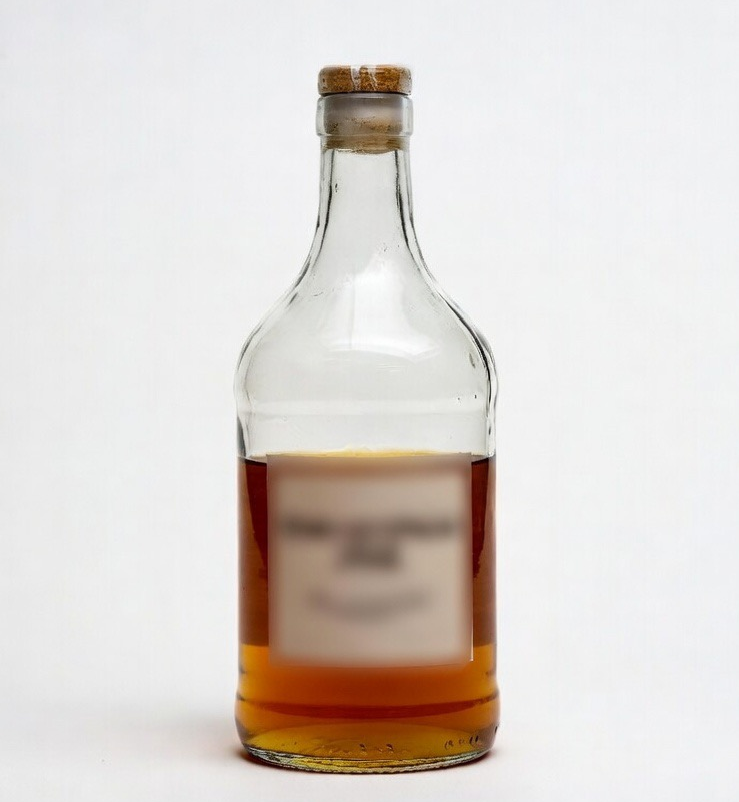
A European food brand sourcing glass vinegar bottles faced increasing cost pressure and limited visibility into alternative suppliers.
Glass packaging for food products must meet strict EU compliance standards.
Beyond pricing, the client needed to ensure that all materials and production processes were fully compliant for food contact use in Europe.
Key risks included:
• Incomplete or non-compliant food contact certifications
• Suppliers unfamiliar with EU regulatory requirements
• Potential delays or rejection during import due to missing documentation
• Hidden compliance risks not visible during initial sourcing
In addition to supplier benchmarking and cost optimization, we focused heavily on compliance.
• Verified that all materials met EU food contact standards
• Coordinated with suppliers to prepare required certifications and documentation
• Ensured compliance with key regulations such as LFGB and EU food contact requirements
• Reviewed test reports and worked with third-party laboratories when needed
• Aligned packaging and production processes with import standards
This ensured the product was not only cost-efficient, but also fully compliant for the European market.
• Reduced unit cost by ~18%
• Maintained consistent product quality
• Achieved full compliance with EU food contact standards (LFGB, EC 1935/2004, REACH where applicable)
• Ensured smooth import with no regulatory issues
The client was able to launch the product without delays or compliance concerns, while benefiting from improved margins.